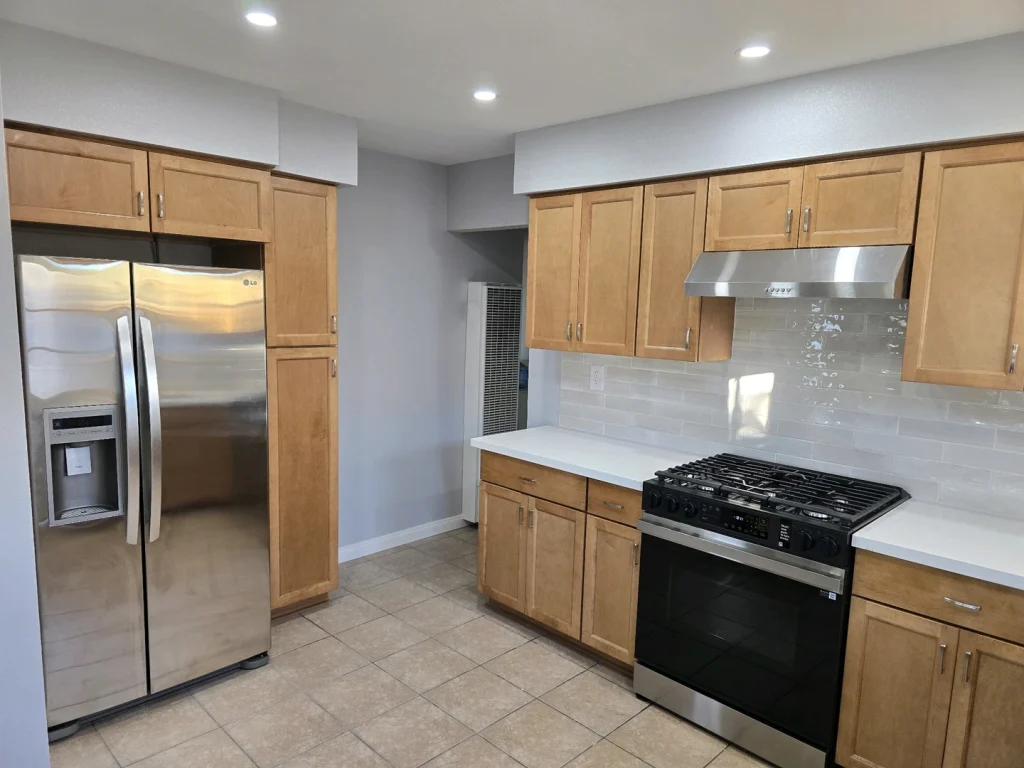
What Drives the Cost of Kitchen and Bath Projects in 2026?
Planning a kitchen or bathroom renovation in 2026 means facing a different pricing landscape than just a few years ago. Material costs have shifted, labor rates reflect current economic conditions, and homeowners in Barstow are navigating decisions that balance function, style, and budget.
Understanding what influences your final bill helps you plan smarter and avoid surprises halfway through your project. The size of your space, the materials you select, and how much structural work is involved all play significant roles. Electrical updates often become necessary when modernizing older homes, especially if you are adding new lighting, upgraded outlets, or high-demand appliances.
Whether you are updating a single bathroom or tackling a full kitchen transformation, knowing what to expect financially allows you to make confident choices that suit your home and your wallet.
Breaking Down Kitchen Renovation Expenses
Kitchen projects vary widely in scope and price. A minor refresh might involve new cabinet doors, updated hardware, and fresh paint, while a major overhaul could include reconfiguring the layout, replacing all appliances, and upgrading electrical systems to handle modern cooking equipment.
Cabinets typically represent the largest single expense, often consuming 30 to 40 percent of your budget. Stock cabinets offer affordability, semi-custom options provide more flexibility, and fully custom designs deliver exactly what you envision at a premium price. Countertops follow closely behind, with choices ranging from laminate and tile to quartz and granite, each carrying different price points and maintenance requirements.
Flooring, backsplashes, and fixtures add up quickly. Tile installation requires skilled labor and precision, while luxury vinyl or laminate can be installed faster and at lower cost. Lighting upgrades often require additional circuits or panel capacity, particularly when installing pendant lights, under-cabinet LED strips, or recessed fixtures throughout the space.
In Barstow, where summer temperatures regularly exceed 100 degrees, ventilation becomes critical. A quality range hood that vents properly helps manage heat and cooking odors, and proper electrical support ensures it operates efficiently. Many homeowners also choose to upgrade outlets to include USB ports or install dedicated circuits for microwaves, refrigerators, and dishwashers to meet current electrical codes.
Understanding Bathroom Upgrade Pricing
Bathroom renovations tend to cost less than kitchens simply because the space is smaller, but the work can be just as intricate. Plumbing, electrical, tile, and fixture costs add up fast, especially when replacing old systems or expanding functionality.
A basic bathroom refresh might include new fixtures, updated lighting, a fresh coat of paint, and replacement of worn flooring. A mid-range renovation often involves replacing the vanity, upgrading the shower or tub, installing new tile, and improving ventilation. High-end projects can feature custom vanities, walk-in showers with multiple fixtures, heated flooring, and spa-like amenities.
Tile work can account for a significant portion of the budget, particularly if you choose intricate patterns or premium materials. Labor costs for precise tile installation vary based on complexity and the installer’s experience. Vanities range from prefabricated units that can be installed in a day to custom-built pieces that require professional carpentry and multiple weeks of lead time.
Electrical updates in bathrooms often include adding GFCI outlets near sinks, installing exhaust fans to manage moisture, and upgrading lighting around mirrors. Many homeowners opt for dimmable LED fixtures, heated towel racks, or lighted mirrors, all of which require proper wiring and circuit planning. In older Barstow homes, panels may need upgrades to support these modern electrical demands safely.
Hidden Expenses and How to Plan for Them
Remodeling budgets frequently stretch beyond initial estimates when unexpected issues surface. Opening walls can reveal outdated wiring, water damage, or structural concerns that must be addressed before cosmetic work continues. Setting aside a contingency fund of 10 to 20 percent helps cover these surprises without derailing your project.
Permit fees, inspection costs, and design fees often get overlooked during initial planning. Local building codes in California require permits for most electrical, plumbing, and structural changes. Professional design consultations, whether for layout planning or material selection, add value but also increase upfront costs.
Temporary living arrangements or kitchen setups may be necessary during major renovations. Eating out more frequently, renting equipment, or staying elsewhere while work is completed can add hundreds of dollars to your total expense. Dust containment, debris removal, and site cleanup also factor into the final bill.
Electrical work can uncover code violations or outdated systems that need immediate attention. Aluminum wiring, ungrounded outlets, or overloaded circuits pose safety risks and require professional correction. Upgrading your electrical panel to accommodate new appliances or lighting may become necessary, particularly in homes built before modern electrical standards took effect.
Hard Wire Electrical, LLC handles electrical upgrades, panel replacements, and circuit installations as part of remodeling projects throughout Barstow. Licensed professionals ensure your home meets current codes, operates safely, and supports the features you want in your updated kitchen or bathroom. Experienced guidance during the planning phase helps you understand what electrical improvements your project requires and how to budget accordingly.
Smart Strategies for Staying Within Budget
Successful remodeling projects balance vision with financial reality. Prioritizing the elements that matter most to you allows you to allocate funds where they deliver the greatest impact. If cooking is central to your lifestyle, investing in quality appliances and durable countertops makes sense. If relaxation drives your bathroom upgrade, a luxurious shower or soaking tub might take precedence over expensive tile.
Phasing your project can spread costs over time and reduce financial strain. Completing demolition and rough-in work first, then finishing surfaces and fixtures later, allows you to pause between stages if needed. This approach also gives you time to save for higher-end materials or features you want but cannot afford immediately.
Selecting materials wisely can significantly reduce expenses without sacrificing quality. Many manufacturers offer mid-range products that perform as well as premium options but cost considerably less. Choosing classic designs over trendy styles extends the lifespan of your investment and avoids the need for frequent updates.
Hiring licensed professionals for specialized work like electrical, plumbing, and structural changes protects your investment and ensures safety. While DIY approaches may seem cost-effective, mistakes can lead to expensive repairs, code violations, or safety hazards. Professional installation also provides warranties and guarantees that protect you if issues arise.
Getting multiple quotes from qualified contractors helps you understand market rates and identify outliers. Be cautious of bids that seem unusually low, as they may indicate subpar materials, unlicensed labor, or hidden fees that appear later. Transparent pricing, clear timelines, and detailed contracts set the foundation for a successful project.
In Barstow, seasonal weather patterns influence project timing. Summer heat can make indoor work uncomfortable and increase cooling costs, while milder fall and spring months offer more comfortable working conditions. Planning your project timeline around these patterns can improve efficiency and reduce stress for everyone involved.